
FBXO28 Research Foundation
Accelerating Research for FBXO28 Disorders
Building an international scientific programme to understand FBXO28 biology and accelerate the development of future therapies.

Building the Foundation for Future Therapies
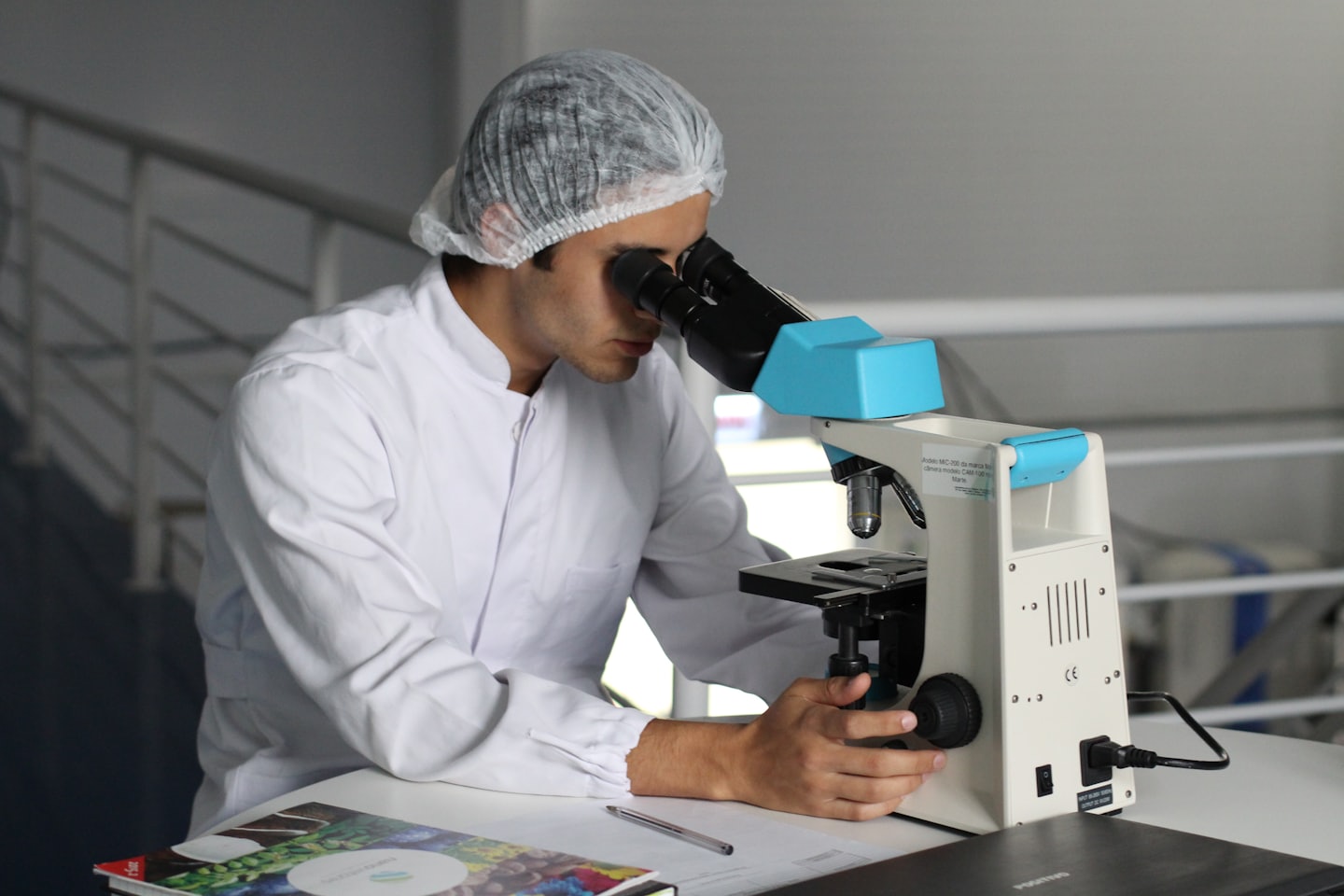
From the very beginning, our goal has been to build the scientific infrastructure needed to accelerate FBXO28 research. By developing patient-derived biological resources, fostering international collaborations and supporting cutting-edge disease modelling, we aim to create the foundation for future therapeutic discovery.
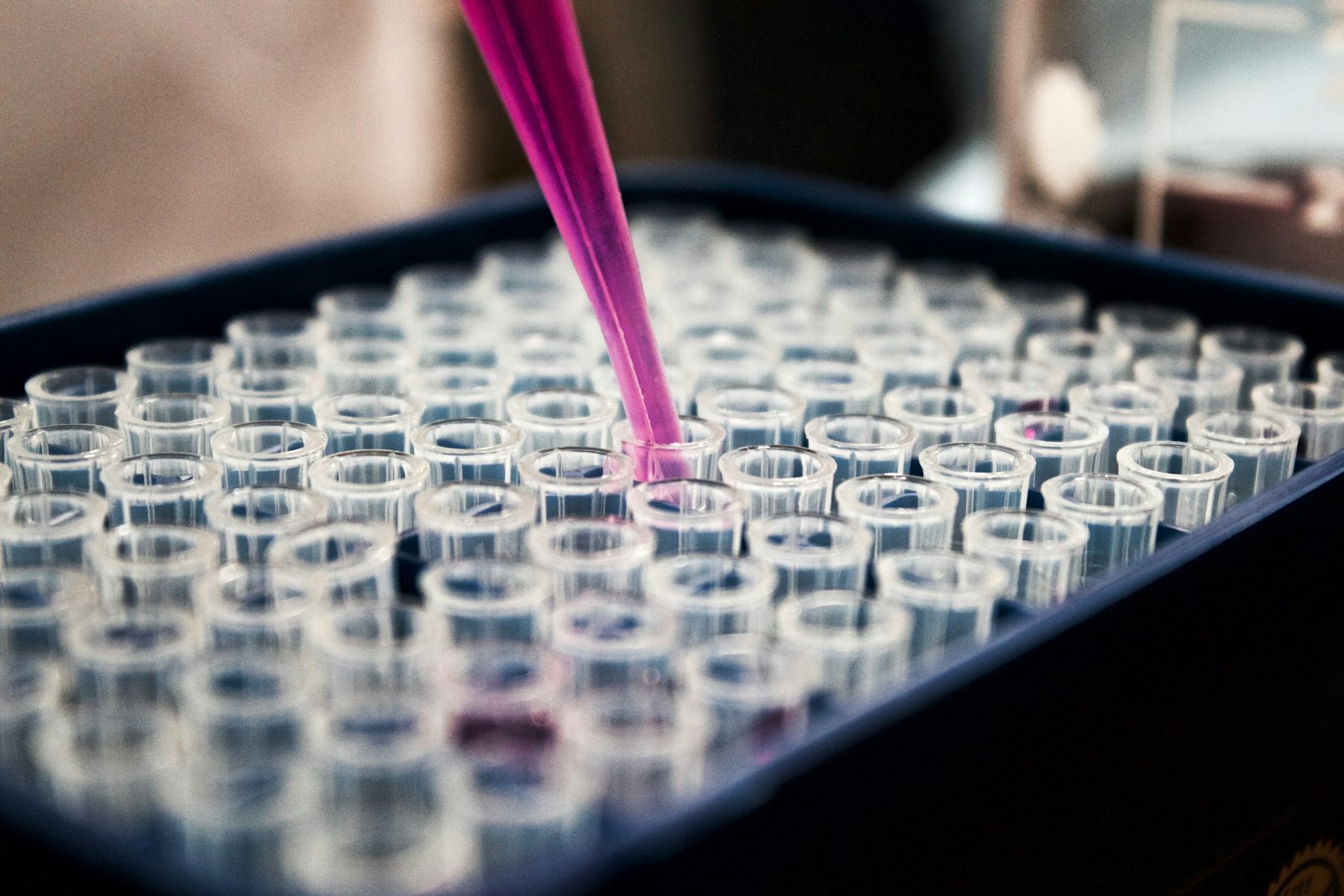
Research resources and capabilities
A growing scientific programme built around patient-derived resources, disease modelling and international collaboration.
🧫
Patient-derived fibroblasts
Secured and available for collaborative research.
AVAILABLE
🧬
Patient-derived iPSC programme
Patient-specific iPSC resources are available and expanding to support disease modelling and therapeutic discovery.
AVAILABLE / EXPANDING
🧠
Disease-specific neuronal models
Neuronal models designed to study disease mechanisms and future therapeutic approaches.
IN DEVELOPMENT
🧪
Multi-omics
Planned transcriptomic and proteomic studies to identify disease-relevant pathways.
PLANNED
💊
Drug repurposing
A future phenotypic screening programme focused on identifying promising therapeutic candidates.
FUTURE PROGRAMME
🌍
International collaborations
Connecting scientists, clinicians, biotechnology partners and families across borders.
OPEN
🏛️
Research Foundation
Supporting mechanism-driven FBXO28 research and the infrastructure required for long-term progress.
ACTIVE
🤝
Open for collaboration
We welcome academic laboratories, clinicians and industry partners interested in FBXO28 research.
CONTACT US
About FBXO28
FBXO28 is a gene involved in the ubiquitin–proteasome system, an essential pathway that regulates proteins within cells. It plays an important role in brain development and neuronal function.
Disease-causing variants in FBXO28 are associated with Developmental and Epileptic Encephalopathy 100 (DEE100), an ultra-rare neurodevelopmental disorder.
Clinical features may include:
- Developmental delay
- Intellectual disability
- Hypotonia
- Epilepsy or infantile spasms
- Feeding difficulties
- Movement disorders
- Visual impairment, including possible cortical visual impairment
There are currently no disease-modifying therapies. Understanding the underlying biology is therefore the essential first step toward developing effective treatments.
Because FBXO28 participates in fundamental cellular pathways, discoveries made through FBXO28 research may also contribute to oncology, neurodegeneration and precision medicine.

Why Rare Disease Research Changes Medicine
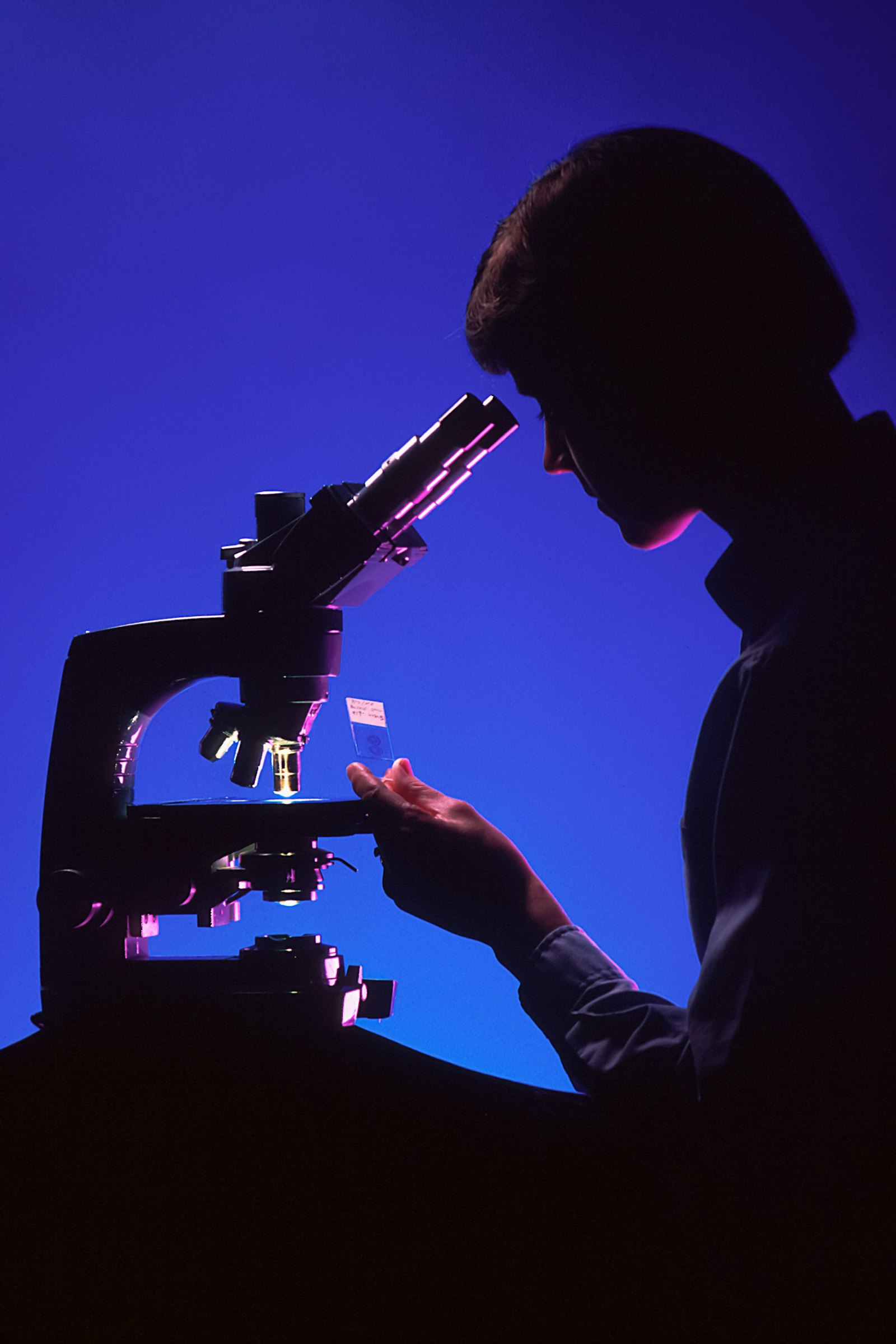
Research on rare diseases frequently uncovers biological pathways relevant to much more common conditions. Investment in FBXO28 research therefore has the potential to benefit both affected families and the wider scientific community.
Research Programme
A staged programme moving from understanding disease biology toward future therapeutic development.
01
Disease Mechanisms
Study how FBXO28 variants alter cellular pathways and neuronal function.
02
Patient-derived Cellular Models
Expand fibroblast and iPSC resources and develop disease-relevant cellular models.
03
Multi-omics
Generate transcriptomic and proteomic datasets to identify disrupted pathways and biomarkers.
04
Drug Repurposing
Develop phenotypic screening approaches for existing compounds and therapeutic candidates.
05
Future Therapeutic Development
Translate validated discoveries into longer-term therapeutic strategies.
For Researchers
The Foundation actively welcomes collaborations with academic laboratories, clinicians and biotechnology partners. Our goal is to remove barriers to rare disease research by providing access to patient-derived biological material, clinical documentation and an expanding international research network.
Research resources
- Patient-derived fibroblasts – available
- Patient-derived iPSC resources – available and expanding
- Clinical phenotype documentation
- Longitudinal follow-up
- Future transcriptomic and proteomic datasets
Research Partners
Current collaboration
Laboratory of Cellular Proteostasis
led by Dr Lidia Wróbel
International Institute of Molecular and Cell Biology (IIMCB), Warsaw.
Visit the laboratory website
Additional collaborating institutions will be announced after formal confirmation.
For Families
We aim to help families understand an FBXO28 diagnosis, follow research progress and connect with future initiatives designed for the global FBXO28 community.
- Understanding an FBXO28 diagnosis
- Patient Registry — coming soon
- Natural History Study — coming soon
- Research updates
- Community support
About the Foundation

About the Founder
The FBXO28 Research Foundation was founded by Aleksandra Sułkowska-Bojarczyk, MD, first and foremost the mother of Klara, a child diagnosed with an ultra-rare FBXO28-related disorder.
Faced with the uncertainty that accompanies an ultra-rare diagnosis, Aleksandra and her husband, Sergiusz, made a family commitment to build an international network of scientists, clinicians and research partners dedicated to accelerating FBXO28 research and the development of future therapies.
Although Klara’s diagnosis was the catalyst for this work, the Foundation was created for the entire global FBXO28 community, with the goal of advancing research, fostering collaboration and helping bring effective therapies closer to patients.
Aleksandra Sułkowska-Bojarczyk, MD
Founder & Chair, FBXO28 Research Foundation
Mother of Klara | Child and Adolescent Psychiatrist in Training
Support Research
Your support can help build the scientific infrastructure needed to understand FBXO28 and create a path toward future therapies.
- Fibroblast and iPSC development
- Mechanistic studies
- Transcriptomics and proteomics
- Neuronal models
- Drug repurposing
- Patient registry
Research News & Updates
Follow progress in FBXO28 research, scientific collaborations and Foundation activities.
-
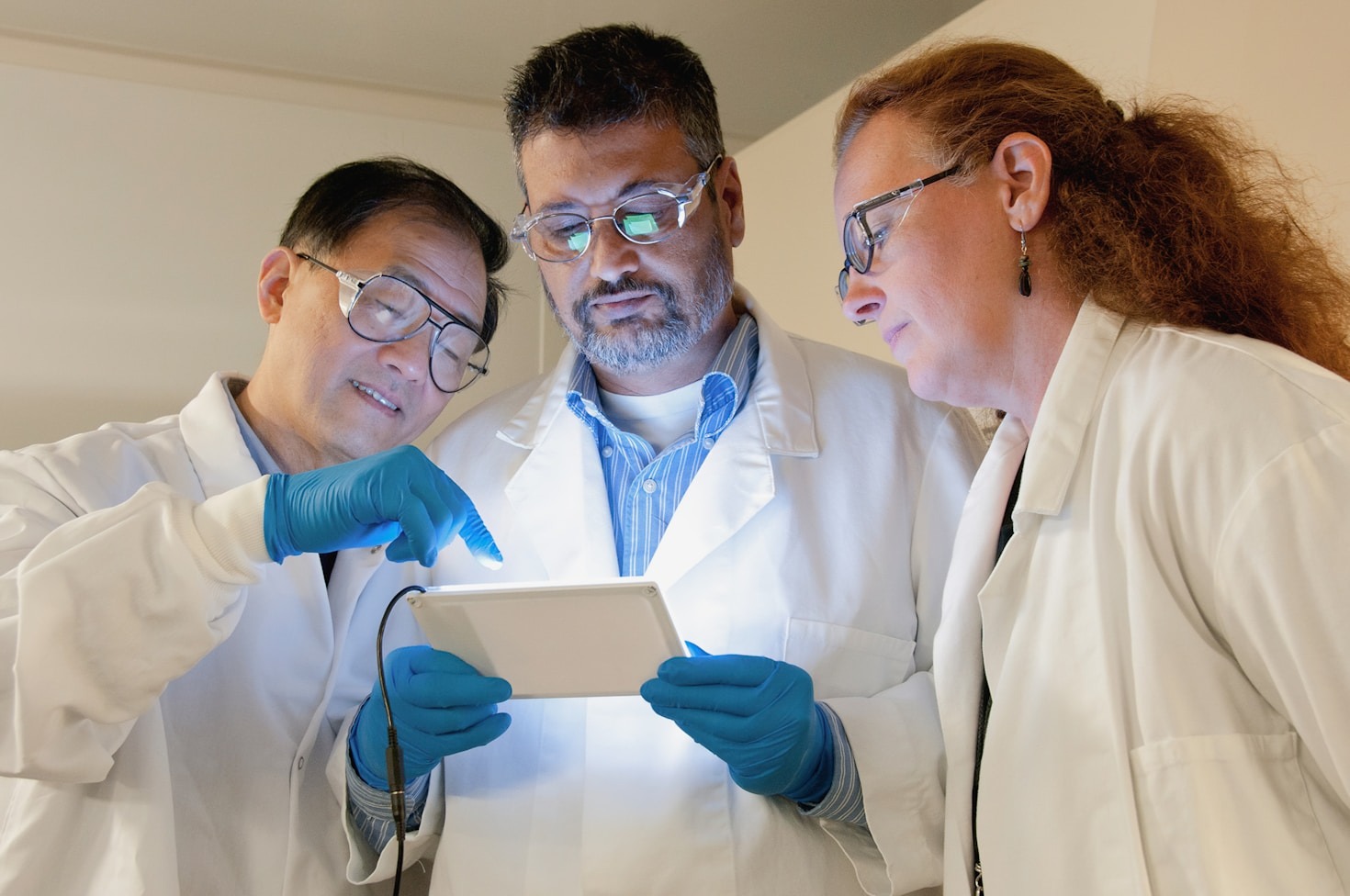
Historie nadziei w świecie nowoczesnej biotechnologii
Ten akapit służy jako wprowadzenie do twojego posta na blogu. Zacznij od omówienia głównego tematu lub zagadnienia, które zamierzasz poruszyć,…
-
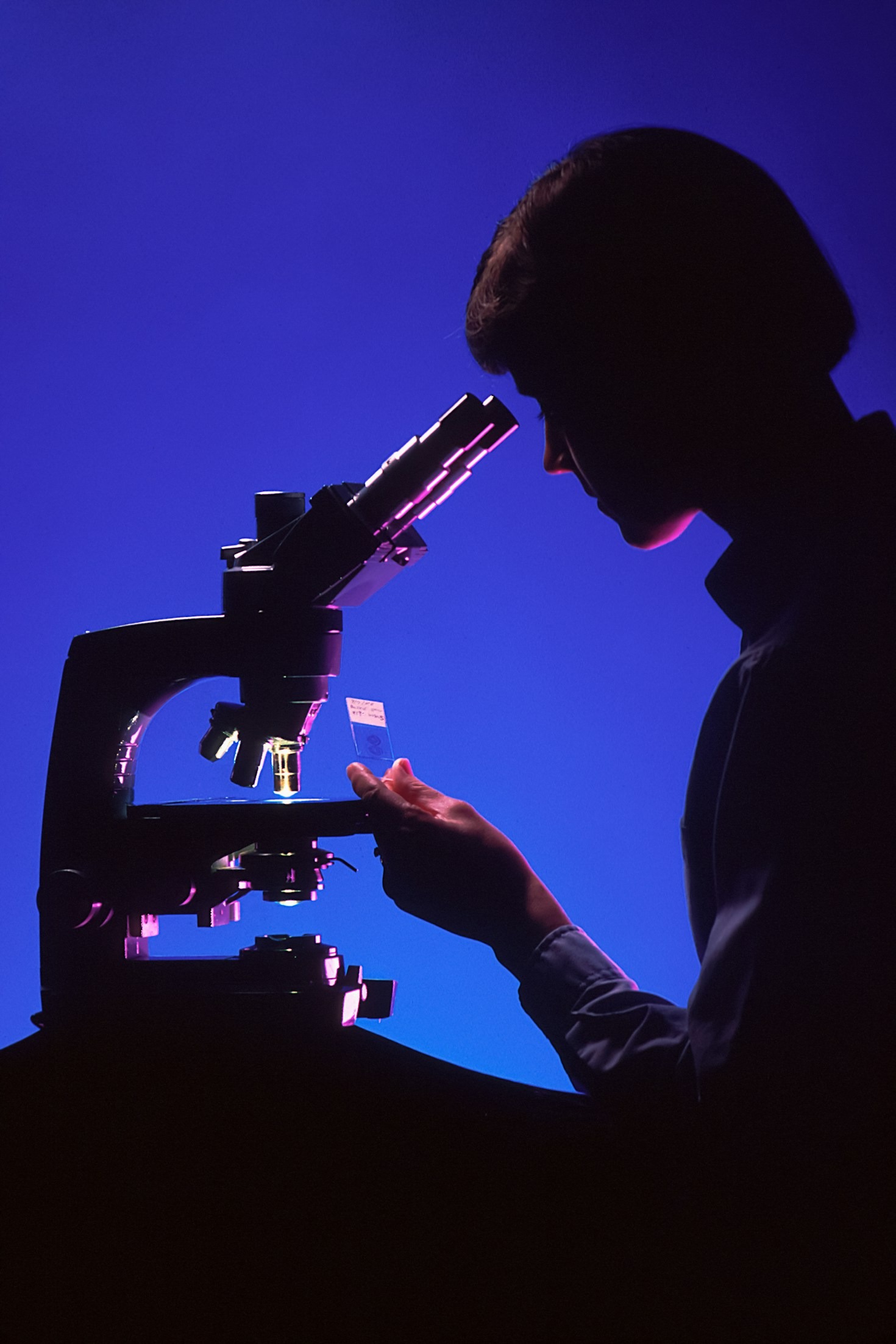
Zasoby naukowe dla specjalistów i badaczy klinicznych
Ten akapit służy jako wprowadzenie do twojego posta na blogu. Zacznij od omówienia głównego tematu lub zagadnienia, które zamierzasz poruszyć,…
-

Przyszłość terapii celowanych w chorobach rzadkich
Ten akapit służy jako wprowadzenie do twojego posta na blogu. Zacznij od omówienia głównego tematu lub zagadnienia, które zamierzasz poruszyć,…
Open for Scientific Collaboration
We welcome academic laboratories, clinicians, biotechnology companies and research organisations interested in advancing FBXO28 biology and future therapeutic discovery.
Medical disclaimer: Information on this website is provided for educational purposes only and does not replace consultation with a qualified healthcare professional.